About Us
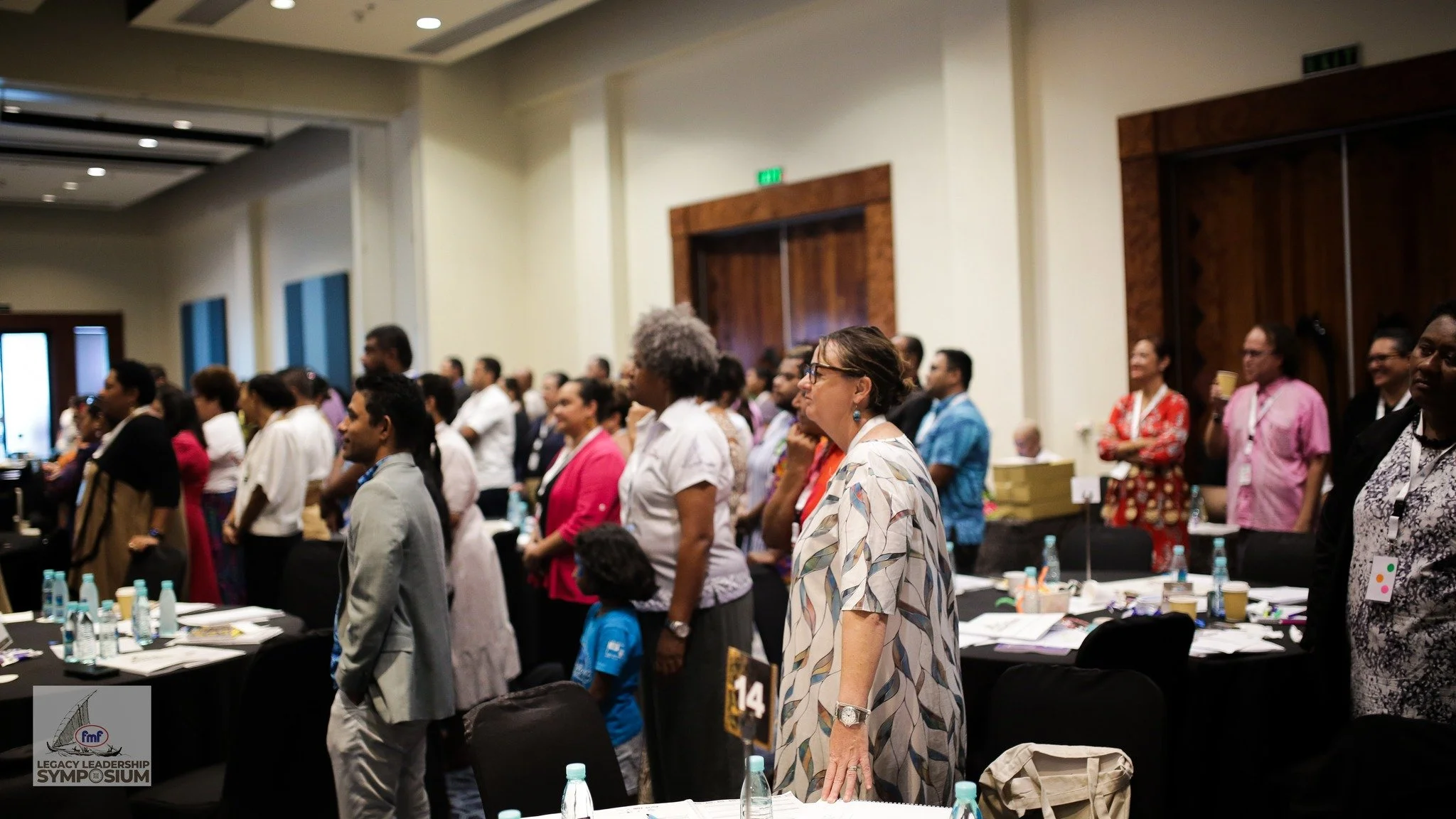
The Pacific Legacy Leadership Foundation (PLLFI) exists to strengthen leadership across the Blue Pacific through values based learning, cultural grounding and shared purpose. We equip leaders with the character, vision and confidence to serve their families, communities and nations with integrity and unity.
Empowering Communities for Change
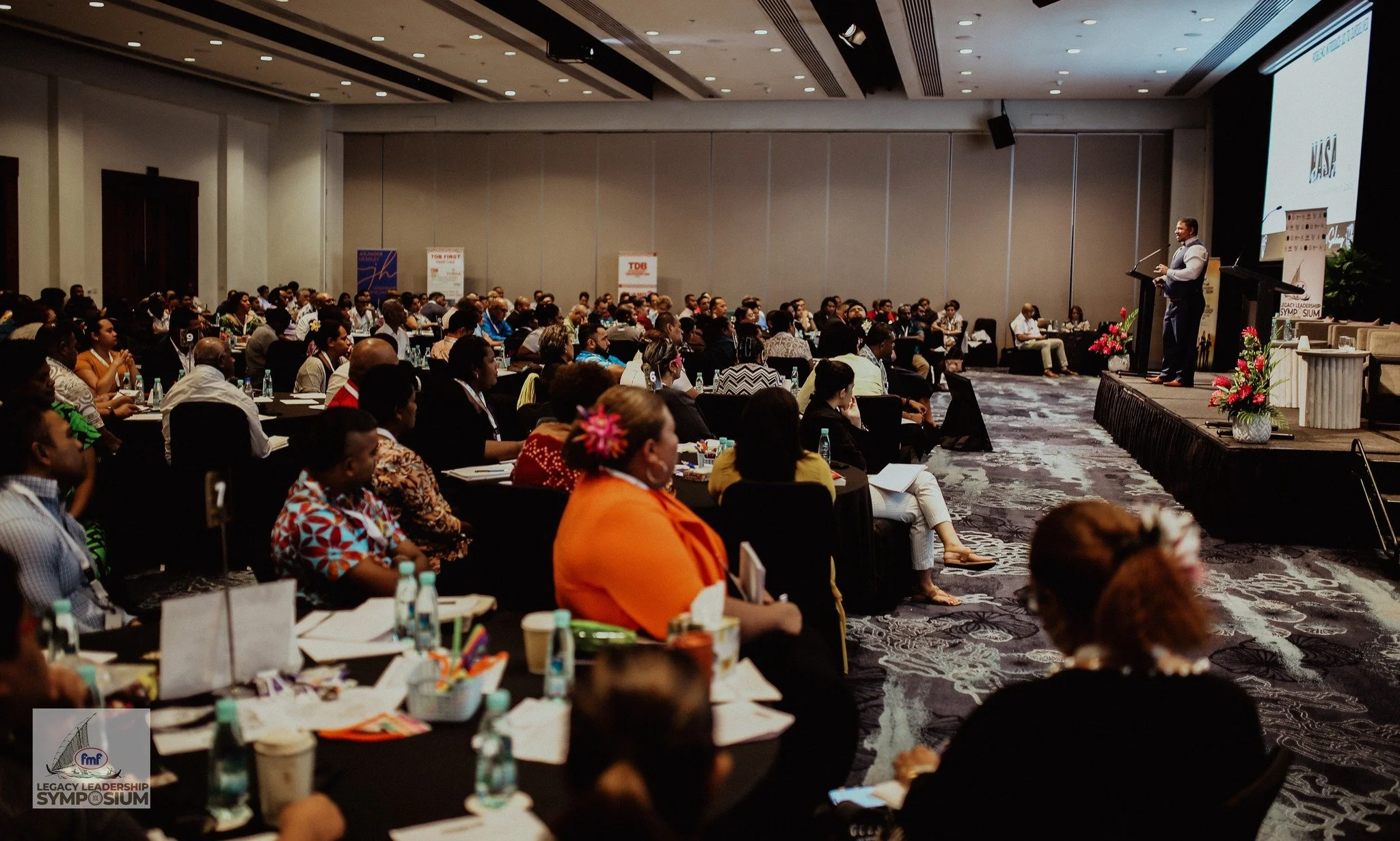
The Pacific Legacy Leadership Foundation (PLLFI) is a Pacific-owned and led initiative dedicated to drawing from Pacific-VALUES-based leadership principles rooted in culture and the dynamic Pacific Way of respect (veirokorokovi/faka’apa’apa), dialogue (veitalanoa/talanoa), and consensus. In response to a growing leadership deficit marked by political instability, weak governance, and emerging regional challenges, the PLLFI equips leaders with the skills, values, and networks needed to serve with integrity and resilience. Through its flagship Legacy Leadership Symposium (LLS) and a growing alumni network, the Foundation aims to strengthen leadership ecosystems across government, civil society, faith, and business. Aligned with the 2050 Strategy for the Blue Pacific Continent, PLLFI advances Strategic Pillar 1 on Political Leadership and Regionalism, ensuring leadership development becomes a core driver of unity, solidarity, sustainable development and a “region known for its quality of governance and respect for the rule of law.”
Vision
“To transform the leadership landscape in the Pacific and build a legacy that will empower, inspire and impact.”
The Vision articulates the fundamental purpose of PLLFI. It defines the overarching goal that guides the development of strategies and activities aimed at fostering transformative, inspirational and impactful leadership.
Mission
Our mission is to grow principled Pacific leaders through values based education, mentorship and collaboration. We strengthen leadership ecosystems that uplift communities, promote ethical influence and build a lasting legacy for the region.
A Future Where Communities Rise Together
The Pacific carries a powerful legacy of leadership shaped by ancestral voyaging traditions, community responsibility and deep cultural wisdom. Yet the region continues to face leadership challenges, including gaps in value based development, fragmented institutions and limited opportunities for shared learning.
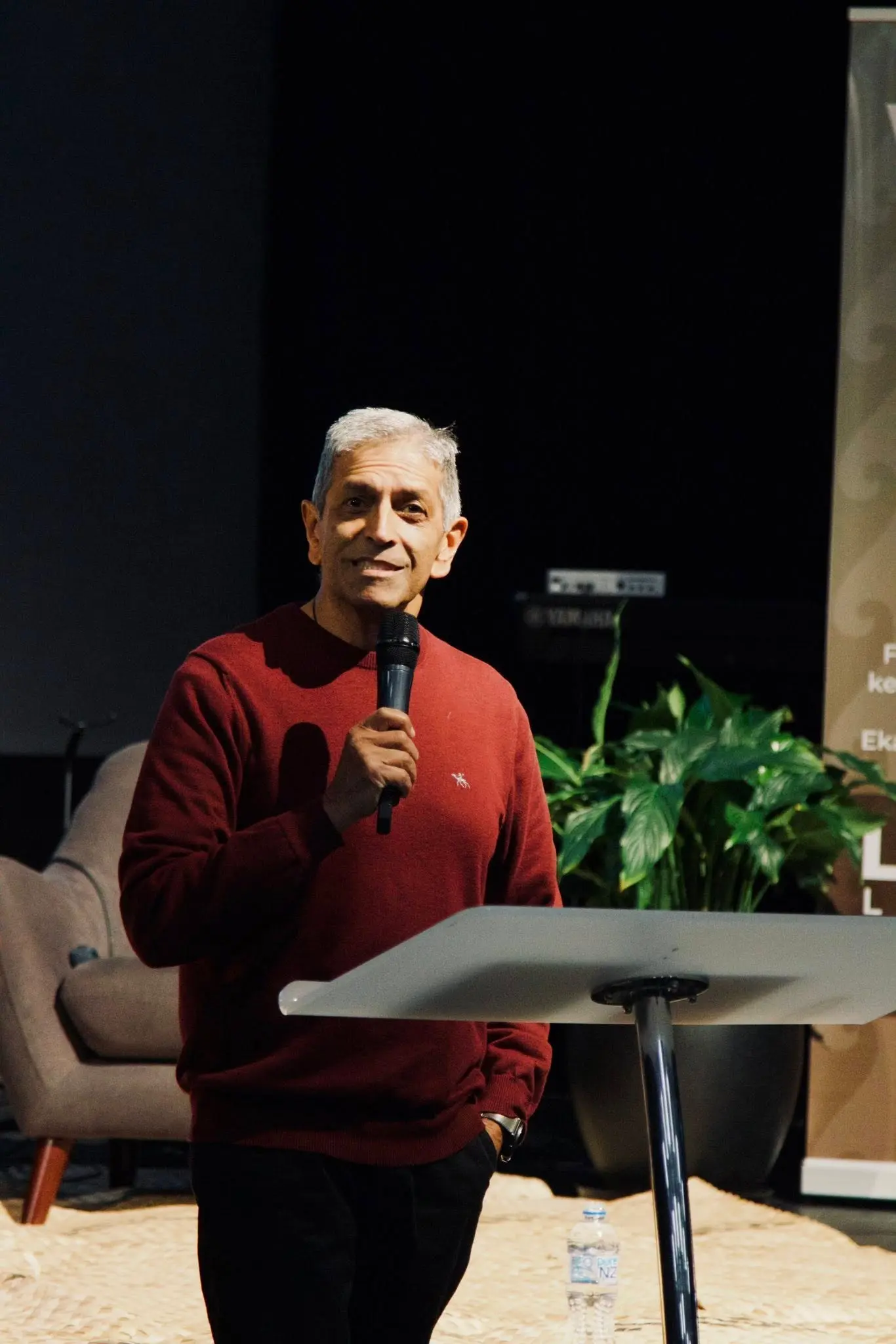
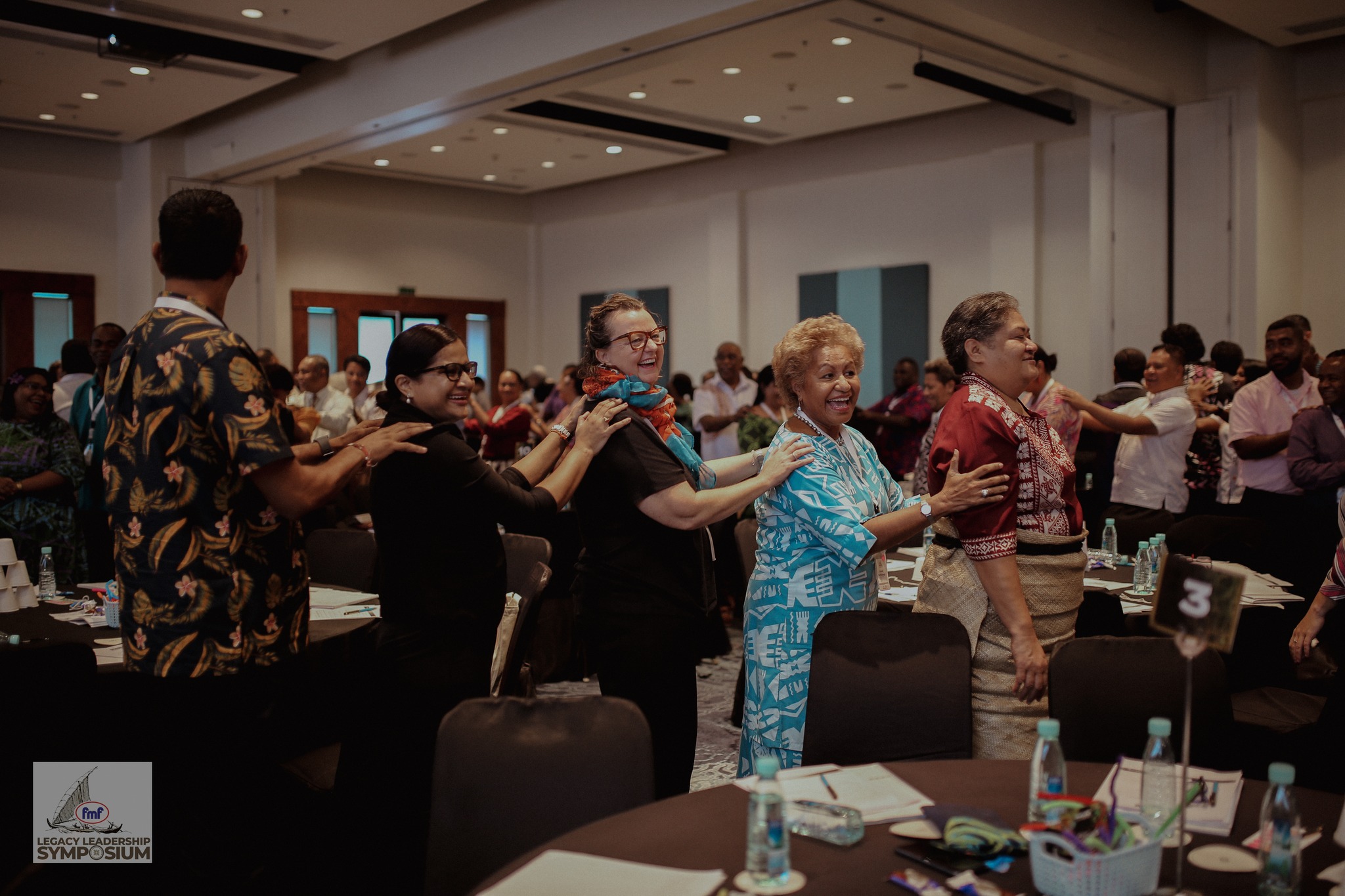
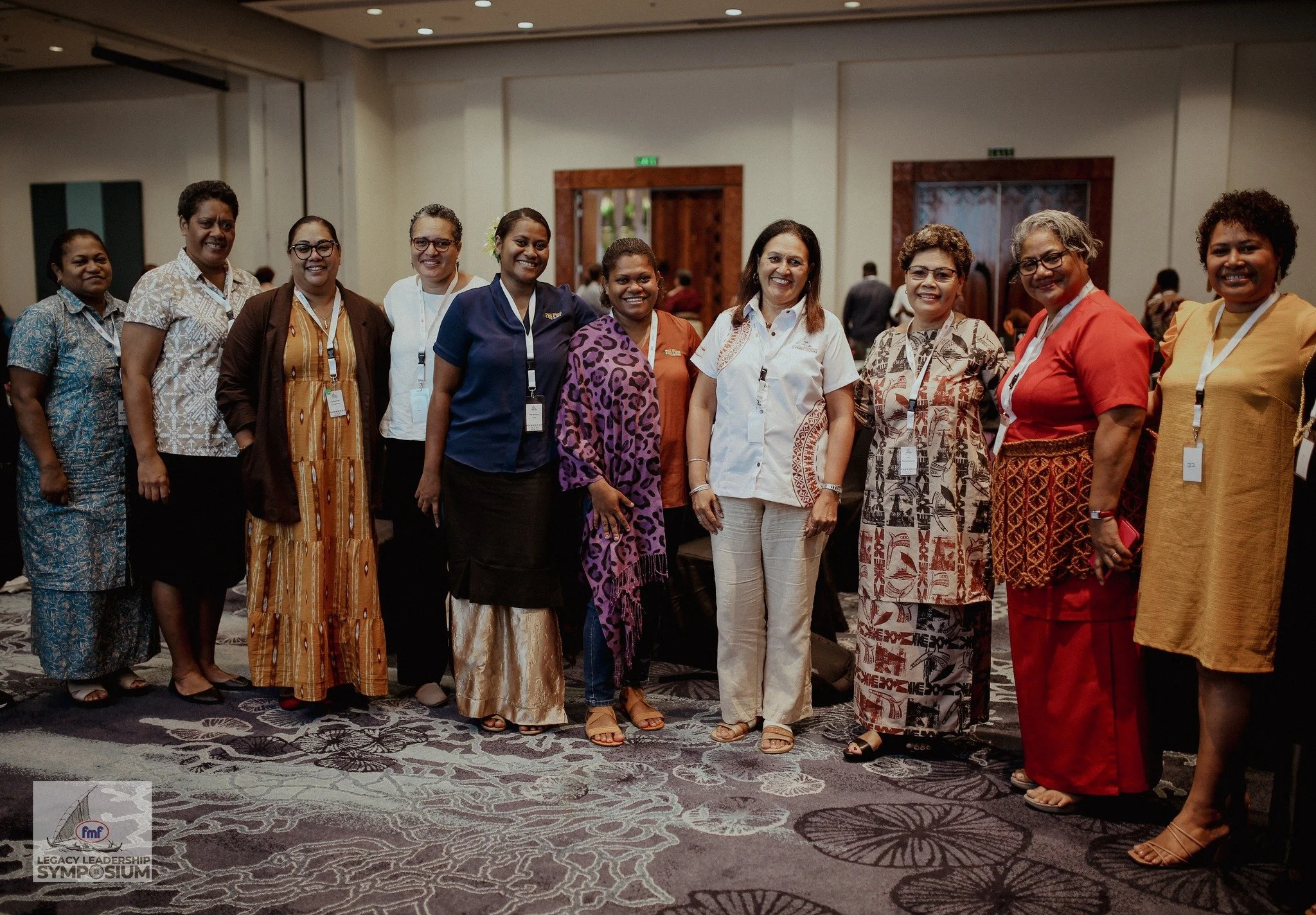
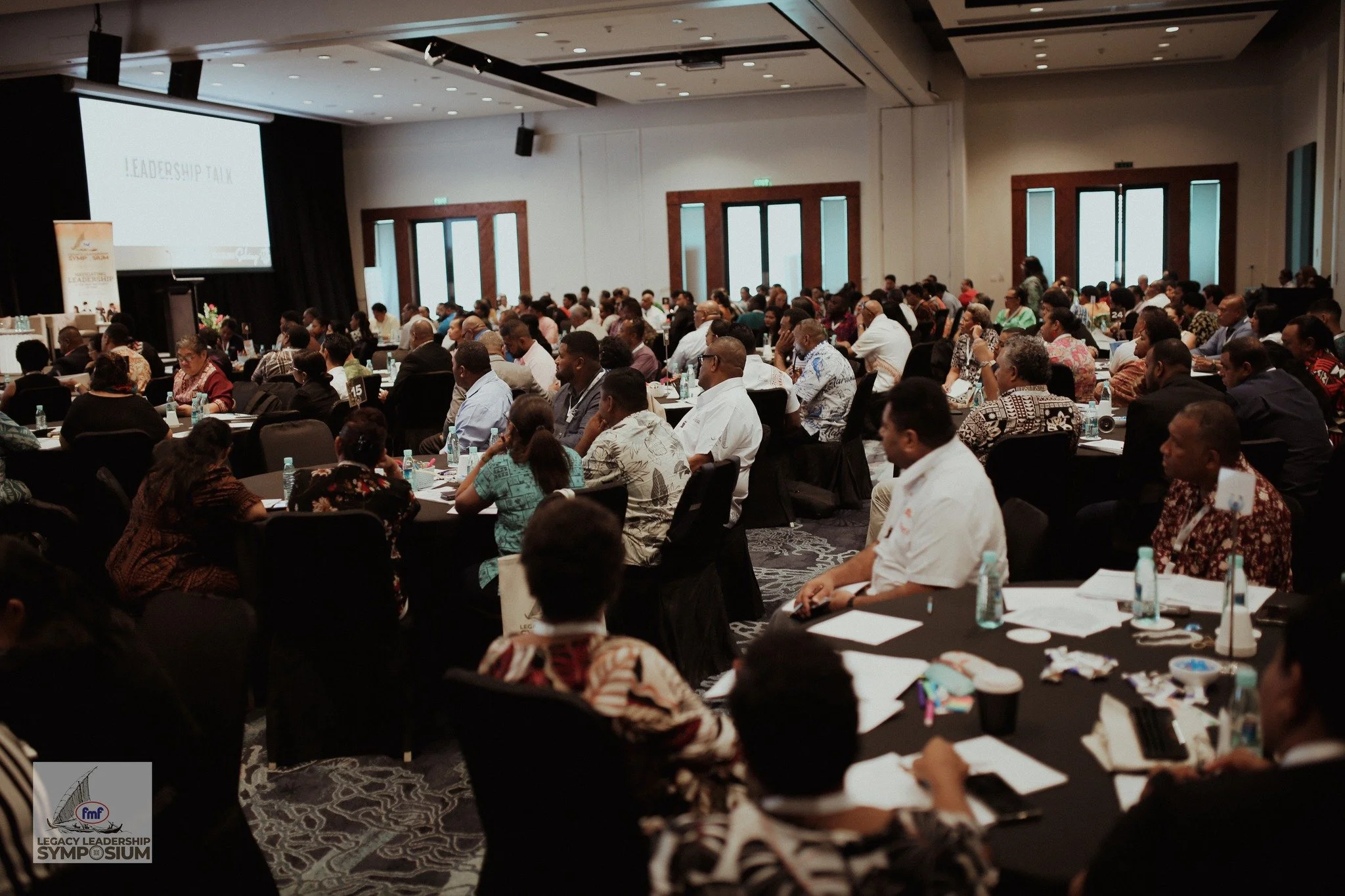
In 2023 leaders from across the Pacific came together to launch the first Legacy Leadership Symposium, officially opened by Her Majesty Queen Nanasipauu in Tonga. Since then leaders have gathered in Fiji, New Zealand and beyond, forming a growing movement committed to learning, connection and service.
Recognising the need to sustain and strengthen this momentum, PLLFI was created to support a thriving leadership culture rooted in Pacific values, collective purpose and regional unity.
Together We Make a Difference in Our Community
Our impact reflects the dedication of leaders who choose to serve their communities with vision and integrity. These results show what is possible when we rise together.
.webp)
The Values That Guide Our Work in the Community
Our foundation is built on deeply Pacific values that guide how we lead and serve:
Godliness
Leading with humility and spiritual depth, guided by faith to serve others with wisdom, compassion, and integrity.
Integrity
Treating others with honesty, ethical transparency, and upright decisions in every sphere of influence and accountability.
Vision
Dreaming boldly for future generations, charting clear purpose‑driven direction and long‑term impact across our region.
Authenticity
Embracing our real selves, culture and identity openly; leading without façade, grounded in personal truth.
Empowerment
Enabling and equipping people to grow, serve, lead, and fulfill their unique calling in community and culture.
Adaptability
Staying open‑minded, continuously learning and evolving in leadership practice amid changing contexts and challenges.
Pacific Proverbs and Values for School Leaders
Content adapted from Pacific Regional School Leadership Capabilities: a gift from Pacific school leaders for Pacific school leaders (Pacific Community, 2025) — a regional education leadership framework based on Pacific proverbs and values.

Tuvalu
Aava, alofa
Description: Aava (respect) – when we accept someone as they are and for who they are. To be respectful and to care about others. At the heart of respect is caring. Alofa (love)– The key to leadership is to lead with love. Leading with love means knowing and caring about what inspires and empowers people. It is about caring enough to know what is important to them and helping them succeed.

Tokelau
Tutia te po ke ao
‘Tutia te po ke ao’ is translated as ‘let me persevere through the night until daylight.’ This saying is in a prayer which is chanted by fishers during open sea fishing expeditions, asking for the strength, patience, steadfastness and perseverance to make it till daylight. Tutia, or resilience, embodies perseverance, patience, strength and steadfastness, the qualities relevant when offering services to family or others.

Samoa
Tautai matapalapala. O le
upega e fili le po ae tatala le ao
Tautai matapalapala refers to a fisher with a specific skill in the art of fishing. Used in this context of leadership it refers to a “resilient, sturdy leader” who is equipped with the core values of service with humility, tolerance, integrity, visionary, strategic, honest, thoughtful, collaborative; to navigate the winds and currents of change. O le upega e fili le po ae tatalale ao refers to a leader whose finishing net is knotted at night but untangled in the morning. It is a metaphor that relates to the roles of a “great fisherman” who has the core values to be a resilient, sturdy leader.
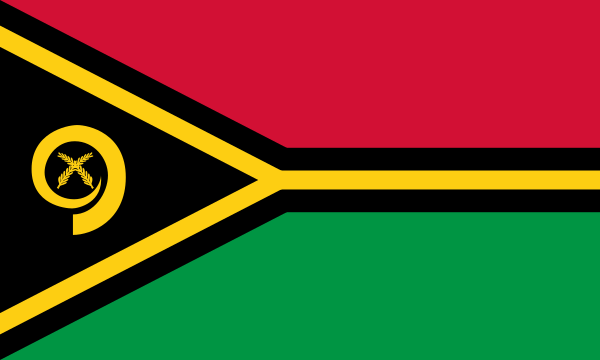
Vanuatu
Landomava (Ambae language of respect)
TambeTambe (Ambae language of obedience)
Tamat (language of respect in Northwest Malekula)
Mkarien (responsibility in Northwest Malekula)
Description: Respect is important in moulding behaviour so students respect each other and their teachers. Students these days are hard to control in the classroom. Contact hours between parents and their children is low, especially with fathers. When we bring cultural meaning of responsibility into schools, it will help students to be responsible as they were responsible back in their homes and community; responsible for themselves, towards their peers, school leaders and teachers, and school facilities.

Tonga
Ala ‘i sia, ala ‘i kolonga
Description: Someone who is highly capable, strategic, and confident to carry out all kinds of responsibilities.
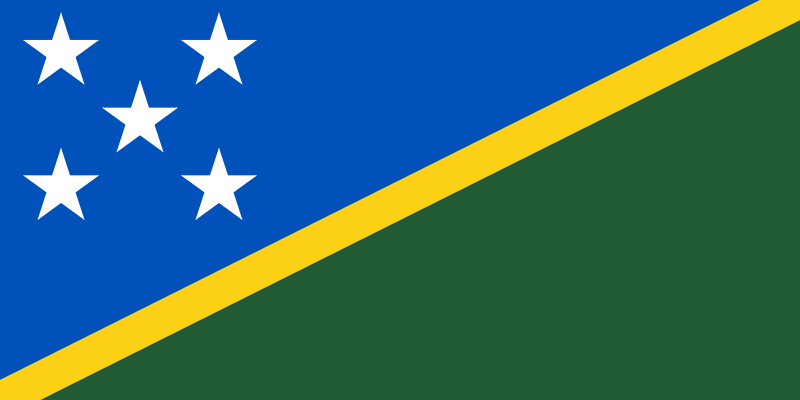
Solomon Islands
Yumi wan pipol, umi save duim
Respecting diversity across our community, we are one people. Leaders to lead all learners to develop as individuals and possess the knowledge, skills, and attitudes to earn a living and to live in harmony with others and their environment.
We envisage a united and progressive society in which all can live in peace and harmony with fair and equitable opportunities for a better life. Yumi wan pipol, umisave duim is unity. Yumi wan pipol as a value is like a bird that soars above the sea and the land aided by it wingspan flapping in unison to enable the bird to soar in the sky. It ensures a multicultural, religious, and racial Solomon Islanders/Pacific to move in unison.

Palau
Berrokel osengel (inclusive)
melemalt (trustworthy/honest)
omengull (respect)
duch el reng (perseverance)
Melemalt (honesty)
Kaumerang (trust)
bekongerachel (responsible)
bekururau (generous)
melangesmad (care for others)
ulsemuul (effective)
kaiuedanges (encouraging/motivating)
Omengull (respect) – Having respect for yourself and all of
those around you is at the core of being a Palauan leader.
Berrokel Osengel (inclusive) – Being an inclusive leader is
to include everyone in the decision-making process. It is toensure that voices are heard and considered when makingdecisions that affect various stakeholders.
Melemalt (trustworthy) – A trustworthy leader is one that
everyone believes in and puts their trust in to do what is best
for all those involved. A leader with this core value will ensure that everyone’s best interest is at heart.

Marshall Islands
Wodde jepel
Valuing the importance of working together because “togetherness” brings strength and ease to the task that is at hand.
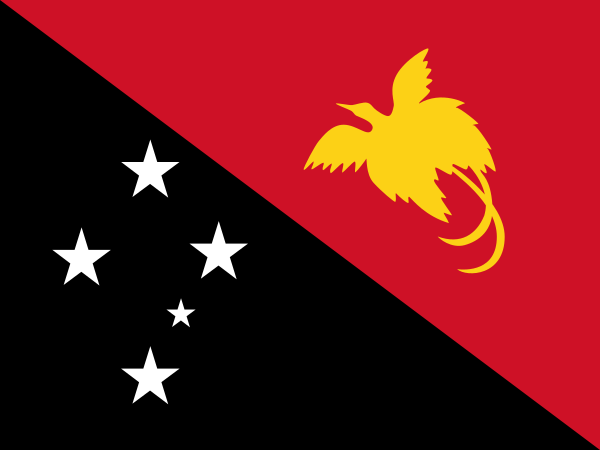
Papua New Guinea
Wok wantaim lewa bilong yu
Serve with your heart. In everything we do,
we serve from the heart with total sincerity

Niue
Fakalofa, fakalilifu
Fakalofa (love) – reflects our love for God, country, and people and to serve to the best of your ability. Fakalilifu (respect)– reflects that respect underpins everything that we do in service..
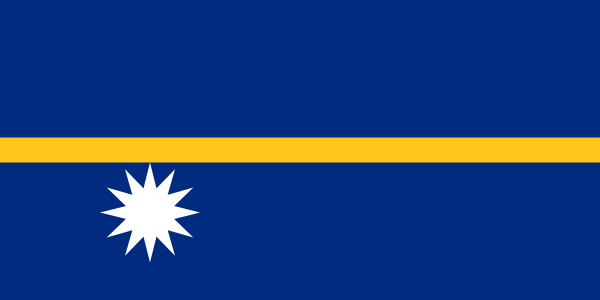
Nauru
Eredu, aijo iat ami
respect and integrity
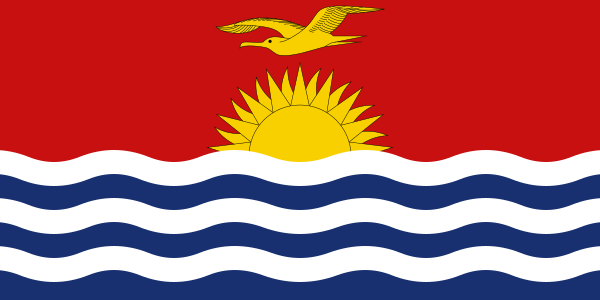
Kiribati
Te oi n aomata
They are genuine leaders or te oi n aomata. Oi n aomata (real
and authentic) is the Kiribati description of a person who
possesses good qualities appropriate for a leadership position.
These qualities include a good reputation, ethical and
knowledgeable (wise). The community recognition of a person
is weighed as to whether they are oi n aomata (real authentic
true) or not. This oi n aomata is “ata te riai” which is translated
as ‘knowing what is proper in the Kiribati culture.
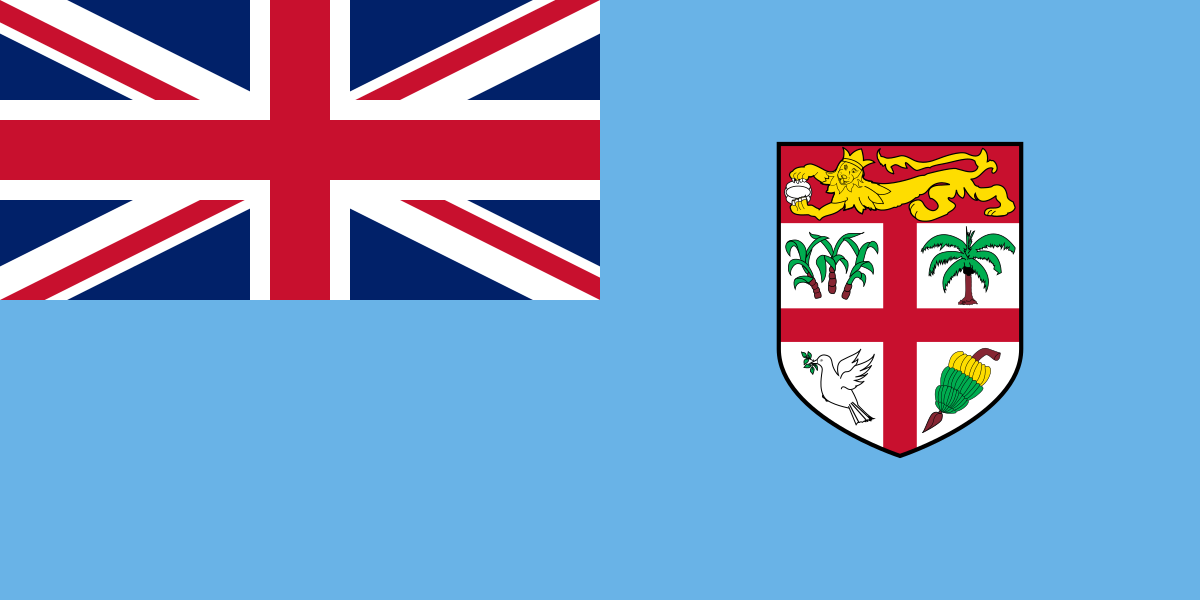
Fiji
Vinaka vakaniu,
vinaka taucoko (iTaukei)
narial ki tarah (Hindi)
A useful tree that reflects the holistic qualities of a good leader.
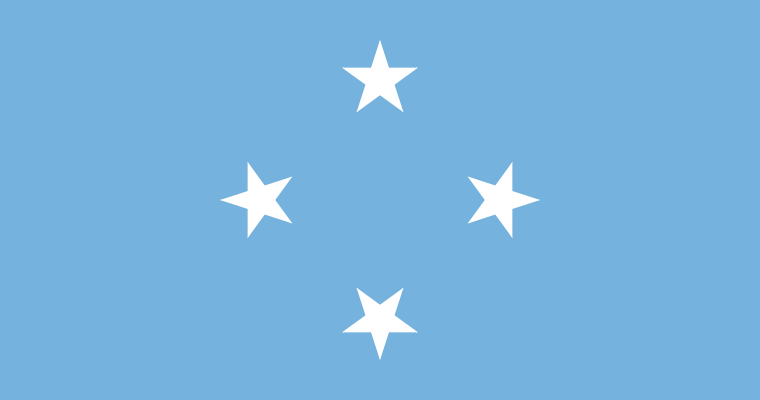
Federated States of Micronesia
Wahr seisei, wahr tipwitipw
The proverb emphasises the importance of unity and
cooperation. When people are united and work together, they
thrive and grow. On the other hand, when they are divided
and grow apart, their strength diminishes. It is a powerful
reminder of the value of staying connected and united. Tied
together, growing; growing apart, withering.

Cook Islands
Kia mau te selenga, kia mau te
napenga, Kia mau! (Tongareva – Northern)
Ngurunguruā, ‘i’i, e tangata!
Karakia ki o Rongo! Te unga roa
e, e toki! No taku vaka Toa, vaka
Taunga, vaka Ariki(Rarotonga – Southern)
Te Reo Māori Vaerua (spirituality)
Akono’anga (traditional knowledge)
Ao rangi (environment)
Ora’anga (wellbeing)
Hold on to the ties of your heritage, to the ties to your identity. Hold on to the knots that connect us together. Hold on to it – tight! We hear the murmurs and challenges of the people, that lead to wisdom. We pray for strength and humility. We lead with our axe, as the platform of their voices. For our tribe and our vaka.
Tuvalu
Aava, alofa
Description: Aava (respect) – when we accept someone as they are and for who they are. To be respectful and to care about others. At the heart of respect is caring. Alofa (love)– The key to leadership is to lead with love. Leading with love means knowing and caring about what inspires and empowers people. It is about caring enough to know what is important to them and helping them succeed.
Tokelau
Tutia te po ke ao
‘Tutia te po ke ao’ is translated as ‘let me persevere through the night until daylight.’ This saying is in a prayer which is chanted by fishers during open sea fishing expeditions, asking for the strength, patience, steadfastness and perseverance to make it till daylight. Tutia, or resilience, embodies perseverance, patience, strength and steadfastness, the qualities relevant when offering services to family or others.
Samoa
Tautai matapalapala. O le
upega e fili le po ae tatala le ao
Tautai matapalapala refers to a fisher with a specific skill in the art of fishing. Used in this context of leadership it refers to a “resilient, sturdy leader” who is equipped with the core values of service with humility, tolerance, integrity, visionary, strategic, honest, thoughtful, collaborative; to navigate the winds and currents of change. O le upega e fili le po ae tatalale ao refers to a leader whose finishing net is knotted at night but untangled in the morning. It is a metaphor that relates to the roles of a “great fisherman” who has the core values to be a resilient, sturdy leader.
Vanuatu
Landomava (Ambae language of respect)
TambeTambe (Ambae language of obedience)
Tamat (language of respect in Northwest Malekula)
Mkarien (responsibility in Northwest Malekula)
Description: Respect is important in moulding behaviour so students respect each other and their teachers. Students these days are hard to control in the classroom. Contact hours between parents and their children is low, especially with fathers. When we bring cultural meaning of responsibility into schools, it will help students to be responsible as they were responsible back in their homes and community; responsible for themselves, towards their peers, school leaders and teachers, and school facilities.
Tonga
Ala ‘i sia, ala ‘i kolonga
Description: Someone who is highly capable, strategic, and confident to carry out all kinds of responsibilities.
Solomon Islands
Yumi wan pipol, umi save duim
Respecting diversity across our community, we are one people. Leaders to lead all learners to develop as individuals and possess the knowledge, skills, and attitudes to earn a living and to live in harmony with others and their environment.
We envisage a united and progressive society in which all can live in peace and harmony with fair and equitable opportunities for a better life. Yumi wan pipol, umisave duim is unity. Yumi wan pipol as a value is like a bird that soars above the sea and the land aided by it wingspan flapping in unison to enable the bird to soar in the sky. It ensures a multicultural, religious, and racial Solomon Islanders/Pacific to move in unison.
Palau
Berrokel osengel (inclusive)
melemalt (trustworthy/honest)
omengull (respect)
duch el reng (perseverance)
Melemalt (honesty)
Kaumerang (trust)
bekongerachel (responsible)
bekururau (generous)
melangesmad (care for others)
ulsemuul (effective)
kaiuedanges (encouraging/motivating)
Omengull (respect) – Having respect for yourself and all of
those around you is at the core of being a Palauan leader.
Berrokel Osengel (inclusive) – Being an inclusive leader is
to include everyone in the decision-making process. It is toensure that voices are heard and considered when makingdecisions that affect various stakeholders.
Melemalt (trustworthy) – A trustworthy leader is one that
everyone believes in and puts their trust in to do what is best
for all those involved. A leader with this core value will ensure that everyone’s best interest is at heart.
Marshall Islands
Wodde jepel
Valuing the importance of working together because “togetherness” brings strength and ease to the task that is at hand.
Papua New Guinea
Wok wantaim lewa bilong yu
Serve with your heart. In everything we do,
we serve from the heart with total sincerity
Niue
Fakalofa, fakalilifu
Fakalofa (love) – reflects our love for God, country, and people and to serve to the best of your ability. Fakalilifu (respect)– reflects that respect underpins everything that we do in service..
Nauru
Eredu, aijo iat ami
respect and integrity
Kiribati
Te oi n aomata
They are genuine leaders or te oi n aomata. Oi n aomata (real
and authentic) is the Kiribati description of a person who
possesses good qualities appropriate for a leadership position.
These qualities include a good reputation, ethical and
knowledgeable (wise). The community recognition of a person
is weighed as to whether they are oi n aomata (real authentic
true) or not. This oi n aomata is “ata te riai” which is translated
as ‘knowing what is proper in the Kiribati culture.
Fiji
Vinaka vakaniu,
vinaka taucoko (iTaukei)
narial ki tarah (Hindi)
A useful tree that reflects the holistic qualities of a good leader.
Federated States of Micronesia
Wahr seisei, wahr tipwitipw
The proverb emphasises the importance of unity and
cooperation. When people are united and work together, they
thrive and grow. On the other hand, when they are divided
and grow apart, their strength diminishes. It is a powerful
reminder of the value of staying connected and united. Tied
together, growing; growing apart, withering.
Cook Islands
Kia mau te selenga, kia mau te
napenga, Kia mau! (Tongareva – Northern)
Ngurunguruā, ‘i’i, e tangata!
Karakia ki o Rongo! Te unga roa
e, e toki! No taku vaka Toa, vaka
Taunga, vaka Ariki(Rarotonga – Southern)
Te Reo Māori Vaerua (spirituality)
Akono’anga (traditional knowledge)
Ao rangi (environment)
Ora’anga (wellbeing)
Hold on to the ties of your heritage, to the ties to your identity. Hold on to the knots that connect us together. Hold on to it – tight! We hear the murmurs and challenges of the people, that lead to wisdom. We pray for strength and humility. We lead with our axe, as the platform of their voices. For our tribe and our vaka.
Cook Islands
Kia mau te selenga, kia mau te
napenga, Kia mau! (Tongareva – Northern)
Ngurunguruā, ‘i’i, e tangata!
Karakia ki o Rongo! Te unga roa
e, e toki! No taku vaka Toa, vaka
Taunga, vaka Ariki(Rarotonga – Southern)
Te Reo Māori Vaerua (spirituality)
Akono’anga (traditional knowledge)
Ao rangi (environment)
Ora’anga (wellbeing)
Hold on to the ties of your heritage, to the ties to your identity. Hold on to the knots that connect us together. Hold on to it – tight! We hear the murmurs and challenges of the people, that lead to wisdom. We pray for strength and humility. We lead with our axe, as the platform of their voices. For our tribe and our vaka.
Federated States of Micronesia
Wahr seisei, wahr tipwitipw
The proverb emphasises the importance of unity and
cooperation. When people are united and work together, they
thrive and grow. On the other hand, when they are divided
and grow apart, their strength diminishes. It is a powerful
reminder of the value of staying connected and united. Tied
together, growing; growing apart, withering.
Fiji
Vinaka vakaniu,
vinaka taucoko (iTaukei)
narial ki tarah (Hindi)
A useful tree that reflects the holistic qualities of a good leader.
Kiribati
Te oi n aomata
They are genuine leaders or te oi n aomata. Oi n aomata (real
and authentic) is the Kiribati description of a person who
possesses good qualities appropriate for a leadership position.
These qualities include a good reputation, ethical and
knowledgeable (wise). The community recognition of a person
is weighed as to whether they are oi n aomata (real authentic
true) or not. This oi n aomata is “ata te riai” which is translated
as ‘knowing what is proper in the Kiribati culture.
Nauru
Eredu, aijo iat ami
respect and integrity
Niue
Fakalofa, fakalilifu
Fakalofa (love) – reflects our love for God, country, and people and to serve to the best of your ability. Fakalilifu (respect)– reflects that respect underpins everything that we do in service..
Papua New Guinea
Wok wantaim lewa bilong yu
Serve with your heart. In everything we do,
we serve from the heart with total sincerity
Marshall Islands
Wodde jepel
Valuing the importance of working together because “togetherness” brings strength and ease to the task that is at hand.
Palau
Berrokel osengel (inclusive)
melemalt (trustworthy/honest)
omengull (respect)
duch el reng (perseverance)
Melemalt (honesty)
Kaumerang (trust)
bekongerachel (responsible)
bekururau (generous)
melangesmad (care for others)
ulsemuul (effective)
kaiuedanges (encouraging/motivating)
Omengull (respect) – Having respect for yourself and all of
those around you is at the core of being a Palauan leader.
Berrokel Osengel (inclusive) – Being an inclusive leader is
to include everyone in the decision-making process. It is toensure that voices are heard and considered when makingdecisions that affect various stakeholders.
Melemalt (trustworthy) – A trustworthy leader is one that
everyone believes in and puts their trust in to do what is best
for all those involved. A leader with this core value will ensure that everyone’s best interest is at heart.
Solomon Islands
Yumi wan pipol, umi save duim
Respecting diversity across our community, we are one people. Leaders to lead all learners to develop as individuals and possess the knowledge, skills, and attitudes to earn a living and to live in harmony with others and their environment.
We envisage a united and progressive society in which all can live in peace and harmony with fair and equitable opportunities for a better life. Yumi wan pipol, umisave duim is unity. Yumi wan pipol as a value is like a bird that soars above the sea and the land aided by it wingspan flapping in unison to enable the bird to soar in the sky. It ensures a multicultural, religious, and racial Solomon Islanders/Pacific to move in unison.
Tonga
Ala ‘i sia, ala ‘i kolonga
Description: Someone who is highly capable, strategic, and confident to carry out all kinds of responsibilities.
Vanuatu
Landomava (Ambae language of respect)
TambeTambe (Ambae language of obedience)
Tamat (language of respect in Northwest Malekula)
Mkarien (responsibility in Northwest Malekula)
Description: Respect is important in moulding behaviour so students respect each other and their teachers. Students these days are hard to control in the classroom. Contact hours between parents and their children is low, especially with fathers. When we bring cultural meaning of responsibility into schools, it will help students to be responsible as they were responsible back in their homes and community; responsible for themselves, towards their peers, school leaders and teachers, and school facilities.
Samoa
Tautai matapalapala. O le
upega e fili le po ae tatala le ao
Tautai matapalapala refers to a fisher with a specific skill in the art of fishing. Used in this context of leadership it refers to a “resilient, sturdy leader” who is equipped with the core values of service with humility, tolerance, integrity, visionary, strategic, honest, thoughtful, collaborative; to navigate the winds and currents of change. O le upega e fili le po ae tatalale ao refers to a leader whose finishing net is knotted at night but untangled in the morning. It is a metaphor that relates to the roles of a “great fisherman” who has the core values to be a resilient, sturdy leader.
Tokelau
Tutia te po ke ao
‘Tutia te po ke ao’ is translated as ‘let me persevere through the night until daylight.’ This saying is in a prayer which is chanted by fishers during open sea fishing expeditions, asking for the strength, patience, steadfastness and perseverance to make it till daylight. Tutia, or resilience, embodies perseverance, patience, strength and steadfastness, the qualities relevant when offering services to family or others.
Tuvalu
Aava, alofa
Description: Aava (respect) – when we accept someone as they are and for who they are. To be respectful and to care about others. At the heart of respect is caring. Alofa (love)– The key to leadership is to lead with love. Leading with love means knowing and caring about what inspires and empowers people. It is about caring enough to know what is important to them and helping them succeed.
Cook Islands
Kia mau te selenga, kia mau te
napenga, Kia mau! (Tongareva – Northern)
Ngurunguruā, ‘i’i, e tangata!
Karakia ki o Rongo! Te unga roa
e, e toki! No taku vaka Toa, vaka
Taunga, vaka Ariki(Rarotonga – Southern)
Te Reo Māori Vaerua (spirituality)
Akono’anga (traditional knowledge)
Ao rangi (environment)
Ora’anga (wellbeing)
Hold on to the ties of your heritage, to the ties to your identity. Hold on to the knots that connect us together. Hold on to it – tight! We hear the murmurs and challenges of the people, that lead to wisdom. We pray for strength and humility. We lead with our axe, as the platform of their voices. For our tribe and our vaka.
Federated States of Micronesia
Wahr seisei, wahr tipwitipw
The proverb emphasises the importance of unity and
cooperation. When people are united and work together, they
thrive and grow. On the other hand, when they are divided
and grow apart, their strength diminishes. It is a powerful
reminder of the value of staying connected and united. Tied
together, growing; growing apart, withering.
Fiji
Vinaka vakaniu,
vinaka taucoko (iTaukei)
narial ki tarah (Hindi)
A useful tree that reflects the holistic qualities of a good leader.
Kiribati
Te oi n aomata
They are genuine leaders or te oi n aomata. Oi n aomata (real
and authentic) is the Kiribati description of a person who
possesses good qualities appropriate for a leadership position.
These qualities include a good reputation, ethical and
knowledgeable (wise). The community recognition of a person
is weighed as to whether they are oi n aomata (real authentic
true) or not. This oi n aomata is “ata te riai” which is translated
as ‘knowing what is proper in the Kiribati culture.
Nauru
Eredu, aijo iat ami
respect and integrity
Niue
Fakalofa, fakalilifu
Fakalofa (love) – reflects our love for God, country, and people and to serve to the best of your ability. Fakalilifu (respect)– reflects that respect underpins everything that we do in service..
Papua New Guinea
Wok wantaim lewa bilong yu
Serve with your heart. In everything we do,
we serve from the heart with total sincerity
Marshall Islands
Wodde jepel
Valuing the importance of working together because “togetherness” brings strength and ease to the task that is at hand.
Palau
Berrokel osengel (inclusive)
melemalt (trustworthy/honest)
omengull (respect)
duch el reng (perseverance)
Melemalt (honesty)
Kaumerang (trust)
bekongerachel (responsible)
bekururau (generous)
melangesmad (care for others)
ulsemuul (effective)
kaiuedanges (encouraging/motivating)
Omengull (respect) – Having respect for yourself and all of
those around you is at the core of being a Palauan leader.
Berrokel Osengel (inclusive) – Being an inclusive leader is
to include everyone in the decision-making process. It is toensure that voices are heard and considered when makingdecisions that affect various stakeholders.
Melemalt (trustworthy) – A trustworthy leader is one that
everyone believes in and puts their trust in to do what is best
for all those involved. A leader with this core value will ensure that everyone’s best interest is at heart.
Solomon Islands
Yumi wan pipol, umi save duim
Respecting diversity across our community, we are one people. Leaders to lead all learners to develop as individuals and possess the knowledge, skills, and attitudes to earn a living and to live in harmony with others and their environment.
We envisage a united and progressive society in which all can live in peace and harmony with fair and equitable opportunities for a better life. Yumi wan pipol, umisave duim is unity. Yumi wan pipol as a value is like a bird that soars above the sea and the land aided by it wingspan flapping in unison to enable the bird to soar in the sky. It ensures a multicultural, religious, and racial Solomon Islanders/Pacific to move in unison.
Tonga
Ala ‘i sia, ala ‘i kolonga
Description: Someone who is highly capable, strategic, and confident to carry out all kinds of responsibilities.
Vanuatu
Landomava (Ambae language of respect)
TambeTambe (Ambae language of obedience)
Tamat (language of respect in Northwest Malekula)
Mkarien (responsibility in Northwest Malekula)
Description: Respect is important in moulding behaviour so students respect each other and their teachers. Students these days are hard to control in the classroom. Contact hours between parents and their children is low, especially with fathers. When we bring cultural meaning of responsibility into schools, it will help students to be responsible as they were responsible back in their homes and community; responsible for themselves, towards their peers, school leaders and teachers, and school facilities.
Samoa
Tautai matapalapala. O le
upega e fili le po ae tatala le ao
Tautai matapalapala refers to a fisher with a specific skill in the art of fishing. Used in this context of leadership it refers to a “resilient, sturdy leader” who is equipped with the core values of service with humility, tolerance, integrity, visionary, strategic, honest, thoughtful, collaborative; to navigate the winds and currents of change. O le upega e fili le po ae tatalale ao refers to a leader whose finishing net is knotted at night but untangled in the morning. It is a metaphor that relates to the roles of a “great fisherman” who has the core values to be a resilient, sturdy leader.
Tokelau
Tutia te po ke ao
‘Tutia te po ke ao’ is translated as ‘let me persevere through the night until daylight.’ This saying is in a prayer which is chanted by fishers during open sea fishing expeditions, asking for the strength, patience, steadfastness and perseverance to make it till daylight. Tutia, or resilience, embodies perseverance, patience, strength and steadfastness, the qualities relevant when offering services to family or others.
Tuvalu
Aava, alofa
Description: Aava (respect) – when we accept someone as they are and for who they are. To be respectful and to care about others. At the heart of respect is caring. Alofa (love)– The key to leadership is to lead with love. Leading with love means knowing and caring about what inspires and empowers people. It is about caring enough to know what is important to them and helping them succeed.
The Values That Guide Our Work in the Community
The Values That Guide Our Work in the Community
Our foundation is built on deeply Pacific values that guide how we lead and serve:
Organisations That Have Supported the Delivery of Our Leadership Work





Meet Our Dedicated Board Behind the Mission
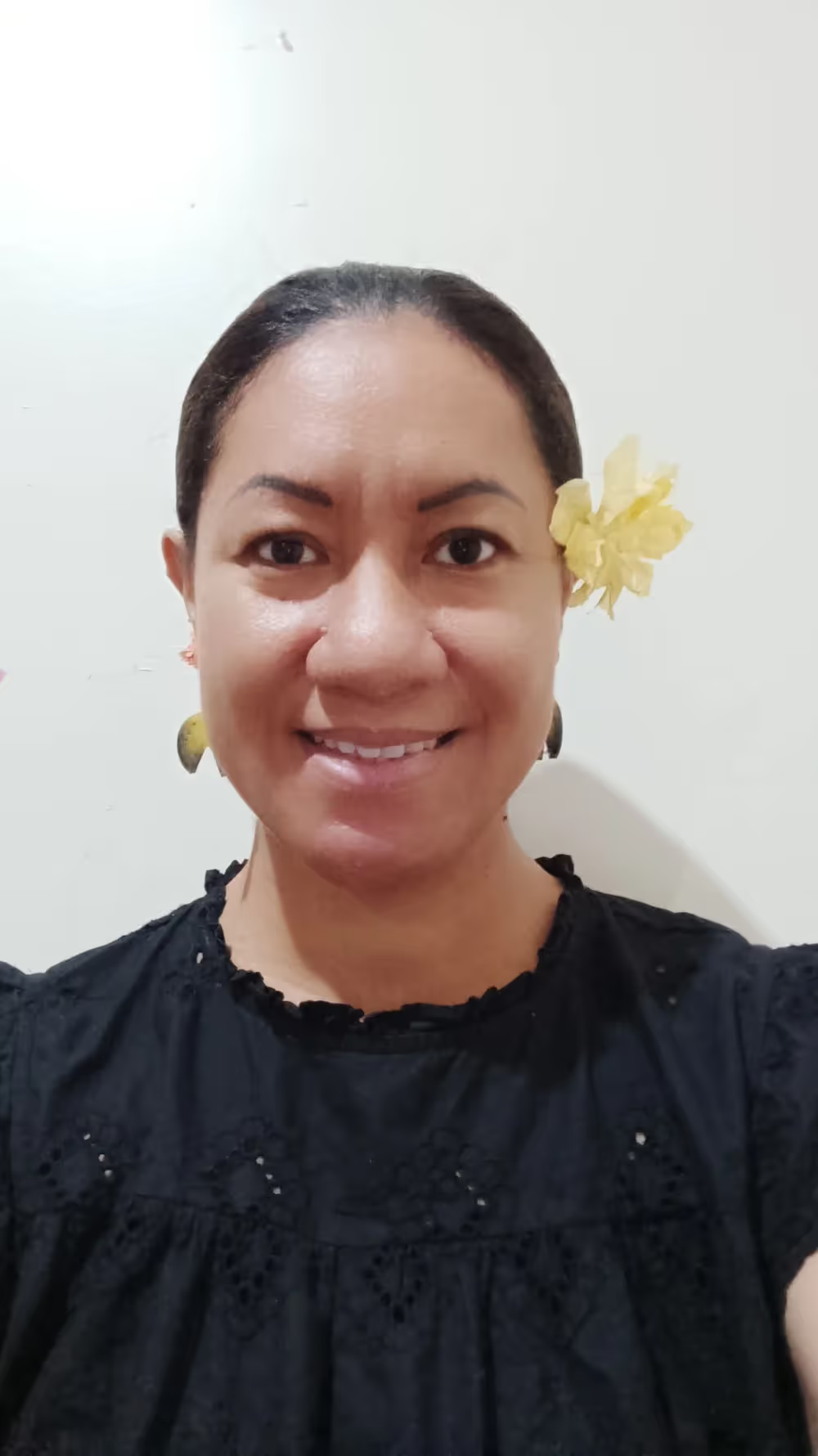
Katrina Ma'u Fatiaki
Katrina Ma'u Fatiaki is a Leadership and Human Rights Specialist with more than 20 years of experience serving in regional organisations, civil society and government. She was appointed in 2025 as a Public Service Commissioner under the Tonga Public Service Act 2002, mandated to oversee recruitment, appointments, promotions, discipline, and performance management across 16 Ministries and 4 agencies.

Romulo Nayacalevu
A Pacific human rights and governance specialist with over 20 years’ experience serving across regional organizations, the United Nations system, and civil society. Currently managing my own consultancy firm providing services in the areas of human rights, diplomacy, governance and Pasifika leadership values etc. Previously held senior leadership roles with the Melanesian Spearhead Group Secretariat as Program Manager for Governance and Legal Affairs, and with the Pacific Community (SPC), including as Senior Human Rights Adviser and Senior Trainer with the Regional Rights Resource Team (RRRT).
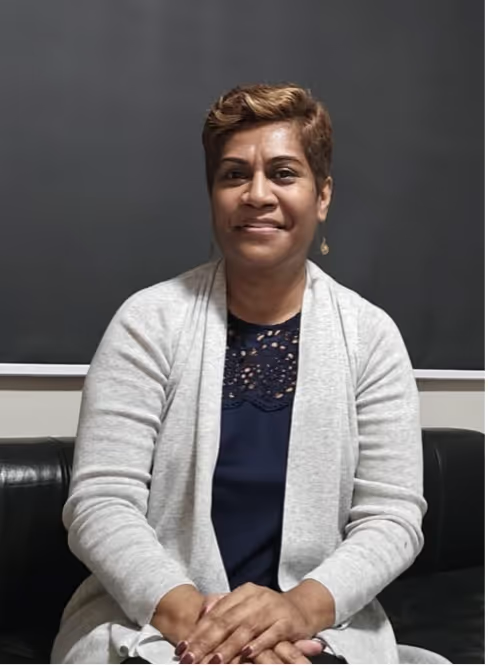
Lanieta Rauqeuqe
Lanieta Rauqeuqe is a public sector policy and leadership practitioner. Building on her professional experience at the local, regional and multilateral level, Lani co-founded Sautu Solutions, a consultancy firm that delivers analytical, advisory and research services on macroeconomic policy and financial sector development issues. Lani also serves on a fintech and public sector boards in Fiji, bringing her global and local experience to drive impactful leadership and development. She has a keen interest in helping people and organizations embody leadership in their person (language use, emotions and body) and cultures with a view to protecting and promoting the welfare of our people and communities.
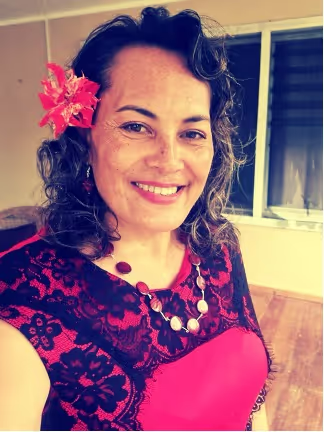
Tiani Tohi
Tiani Tohi is passionate about training and grooming positive and influential leaders in children and youth thus building stronger families. Tiani was instrumental in organizing the Tonga 2023 Legacy Leadership Symposium and the Kingdom's first Family Conference in Oct 2024. She currently serves as CEF Chairman Children Evangelism Fellowship (Tonga) and Board Member of Aglow International Tonga.
Caroline Kavaefiafi
Kalolaine Kavaefiafi is a committed development practitioner from Lapaha, Tonga, with extensive experience in community-based initiatives and environmental stewardship. As a proud Tongan national, she combines deep cultural knowledge with technical expertise, ensuring that projects are both locally grounded and aligned with broader development priorities.
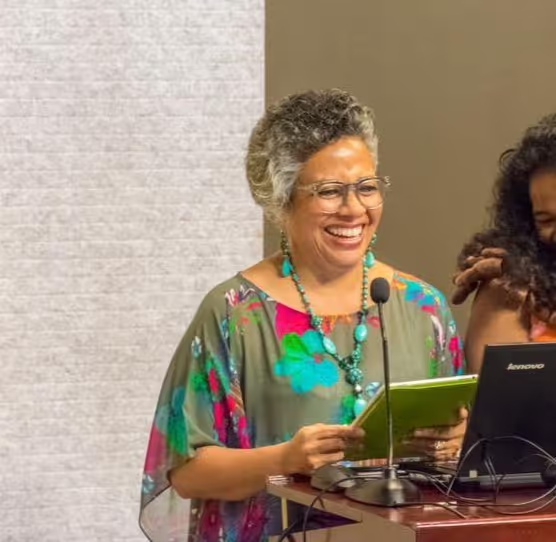
Alisi Panuve
Alisi hails from Fiji and is married to James Panuve from Tonga, where they currently live. They have three adult children and three grandchildren. Alisi was instrumental in organizing the Tonga 2023 LLS Legacy Leadership Symposium and the Kingdom’s first Family Conference in October 2024.
Our Dedicated Pool of Experts
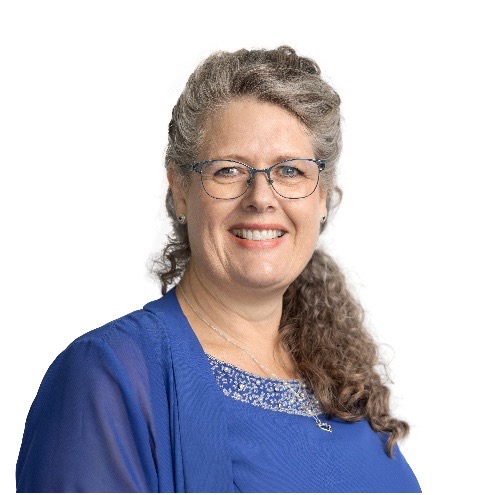
Lynn Rolston
Lynn Rolston is a DISC Human Behavior Consultant and Communication & Leadership Coach who helps people feel seen, heard, and valued—at work and in life. She equips leaders, teams, and women in business with the tools to communicate with clarity, reduce conflict, and lean into their natural strengths with confidence.
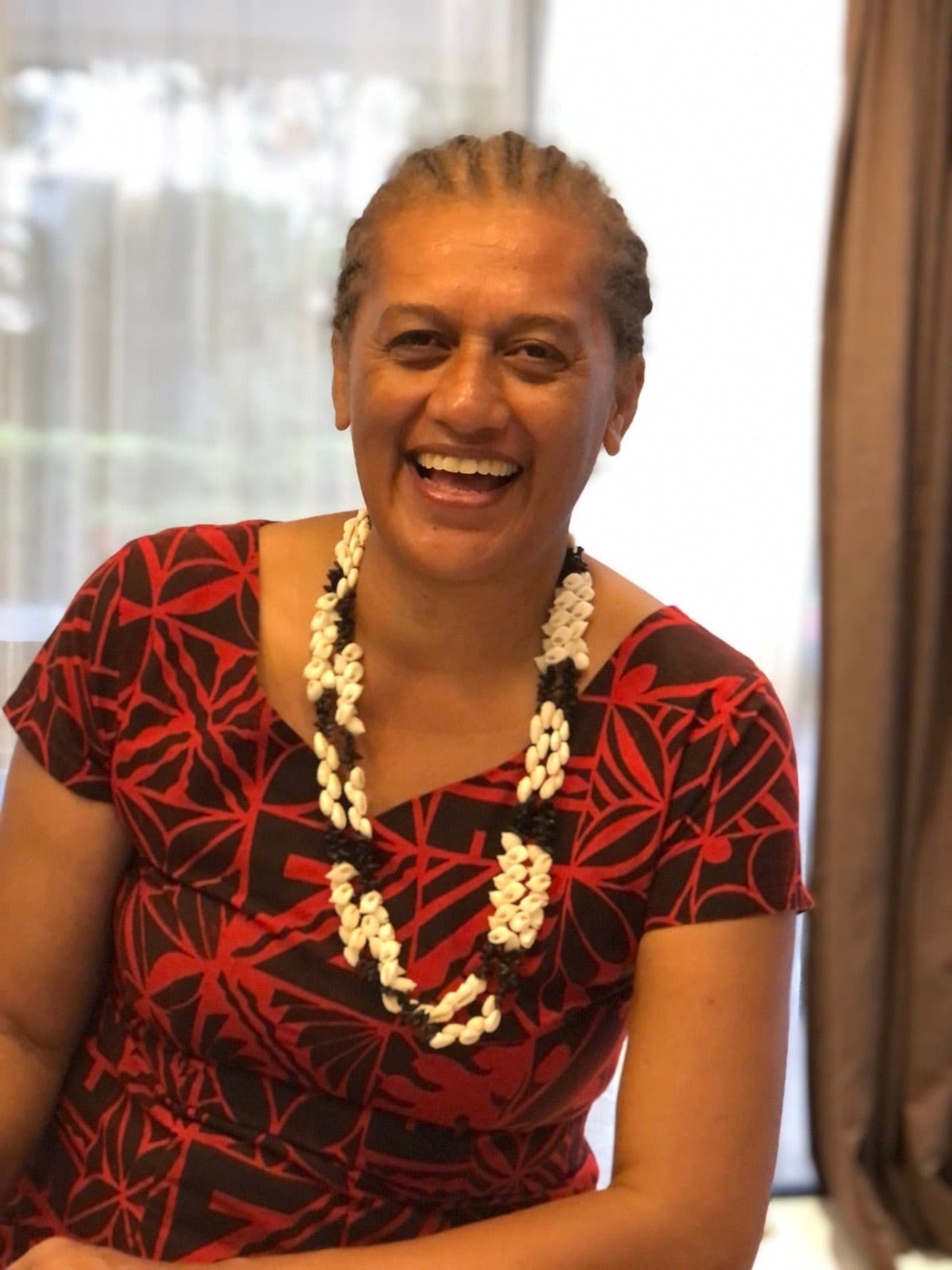
Sainimili Saukuru
A happy, healthy, wealthy coach, speaker & writer living an abundant life and inspiring others to live a life of growth and excellence. Married to Apenisa Saukuru with four inheritances Keona, Leilani, Ebenezer and Yechezkel. A visionary, strategist, workshop facilitator, influencer in personal development plans, sport governance and organisational strategy. Former Fijian national athlete, youth coach and sport leader in the Olympic movement with combined total of close to 4 decades.
.jpg)
Feagaimaalii Sara Jane Elika
Feagaimaalii is a strategic advisor and governance specialist who blends analytical thinking with creative leadership. She leads a team delivering evidence-based strategy, innovative engagement, and MERL evaluation services across public, private, and not-for-profit sectors.
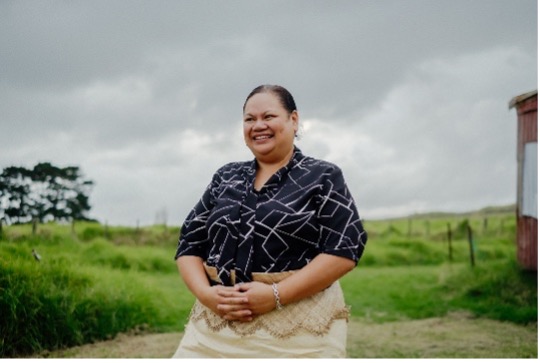
Christine Finau Nurminen
Christine(Chris) Nurminen has a pioneering spirit and is a Pacific development executive with extensive governance and management experience in the not-for-profit sector in Aotearoa New Zealand. She is Tongan and the Director of Manava Partners – a consultancy she and her sister co-founded based on seeing the need to support Pacific women to lead. Using her MA(Hons) in Education, Chris has served as a CEO for a Crown-appointed charity, served as Chair on various charitable Boards and she now consults Pacific organizations to support strategy, funding and professional development. Chris values partnerships and the interface between Pacific and Māori women in protecting Pacific languages and cultural identities. She is married with two young children and is a published children’s book author.
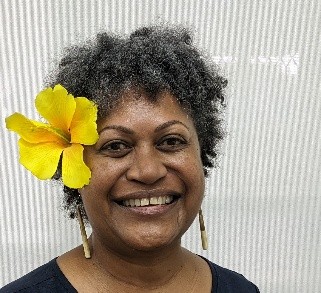
Sala Tupou
I am a daughter of Lomaloma, Vanuabalavu, Lau in Fiji and a proud nau (mother) to my 18-year-old son, Tegumailagi. I describe myself as a social development practitioner with over 25 years of experience in the Pacific working with Pacific Governments and Civil Society Organizations. I have formal post graduate qualifications in sociology and governance from the region’s University of the South Pacific.
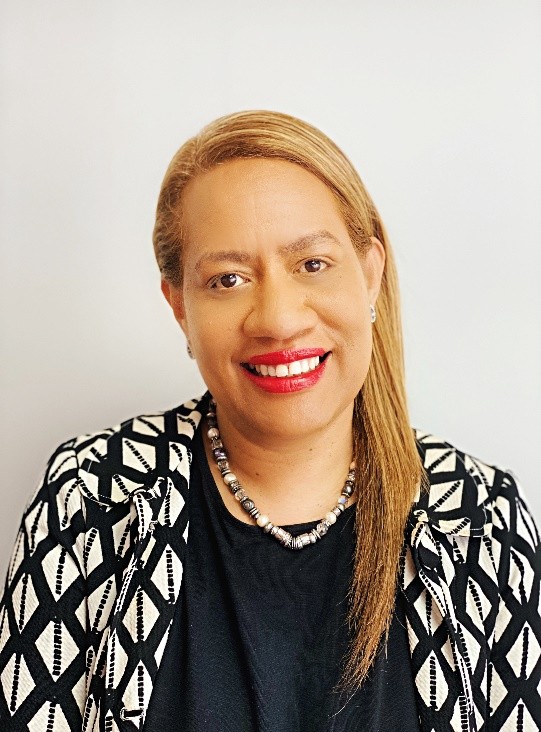
Sala Tuinabua
Sala Tuinabua, a Leadership & Management Specialist, empowers emerging leaders, guides seasoned professionals, and champions intentional leadership in the marketplace. She is passionate about equipping and training leaders to reach their full potential. Author of Jewels in the Crown. Sala is from Fiji and has lived in the USA, Fiji and currently resides in Auckland, NZ.

Fitaloa Bryce
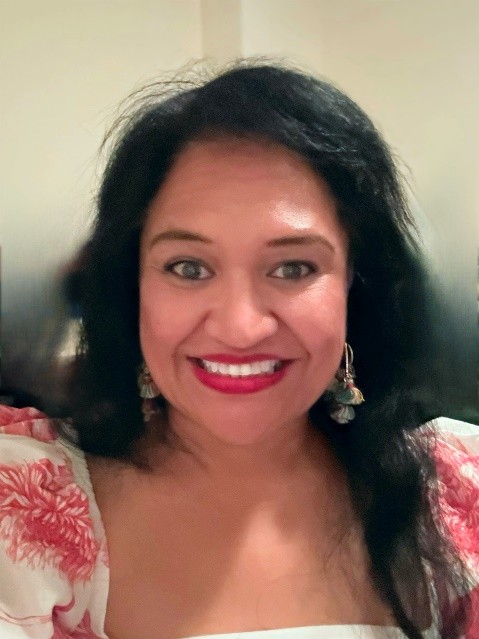
Fitaloa is of Samoan, Tongan and Fijian heritage. She is an experienced public speaker MCing university graduations, business conferences, and high-profile gatherings with confidenceand clarity. With a strong passion for leadership development, she has dedicated years to mentoring and empowering university students and cultivating the next generation of influential leaders.
.webp)

Maggie Hunter
Maggie Hunter is a purpose-driven trainer, advisor, and coach who empowers individuals and teams to grow with clarity, confidence, and intention. With a strong foundation in leadership, coaching, and team development, she equips others to lead authentically, communicate effectively, and collaborate with impact. Maggie has partnered with major clients across diverse sectors, bringing strategic insight and a connector’s mindset to every engagement. Her holistic approach—rooted in wellness and personal growth—creates space for transformation that is both sustainable and meaningful. Whether mentoring emerging leaders, facilitating team breakthroughs, or designing impactful learning experiences, Maggie is committed to helping others unlock their potential and lead with purpose. Maggie Hunter is also the Founder of HAUS OF RESTORATION in Papua New Guinea helping youths and those who are homeless and vulnerable. Haus Of Restoration is a place where we Encourage Equip Empower the people and give them a second chance in life to be the better version of themselves and fulfill their purpose in life.
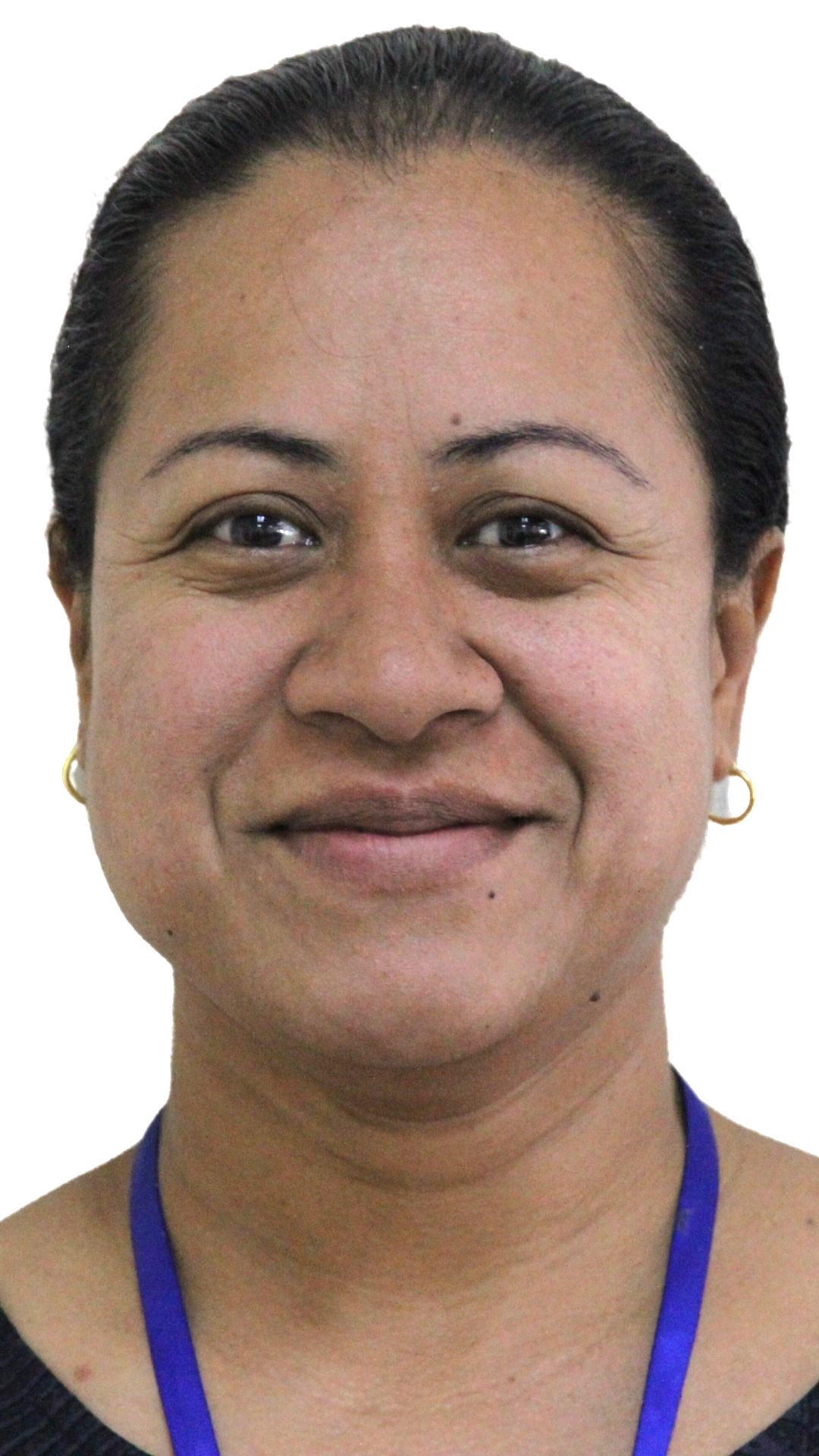
Talita Ola He ‘Ofa Tu’ipulotu-Kefu
Talita Kefu is a seasoned Media and Communications professional with expertise in development and strategic communications. Drawing on her background in broadcast journalism, she has cultivated a deep commitment to preserving the Tongan language and has undertaken extensive translation projects for a wide range of stakeholders.
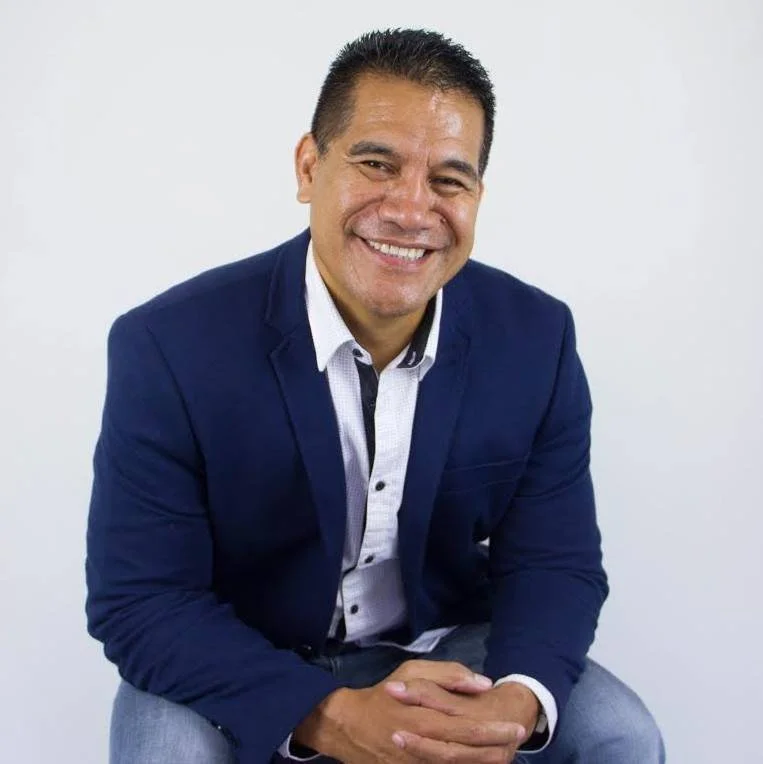
David Vaka
David Vaka is an author, entrepreneur, and Co-Founder of Breakthrough Nation, dedicated to establishing God's will in every sphere of life. Since 1998, he has built strong apostolic churches and strategic relationships to fulfill his vision of 'Total Redemption and Restoration of All Things.' He also leads Pacific Global Apostolic Network, Apostolic Reformation Australia, and ROAR Leaders' Summit, uniting church and marketplace leaders. Based in Brisbane, he and his wife Tina have four children.
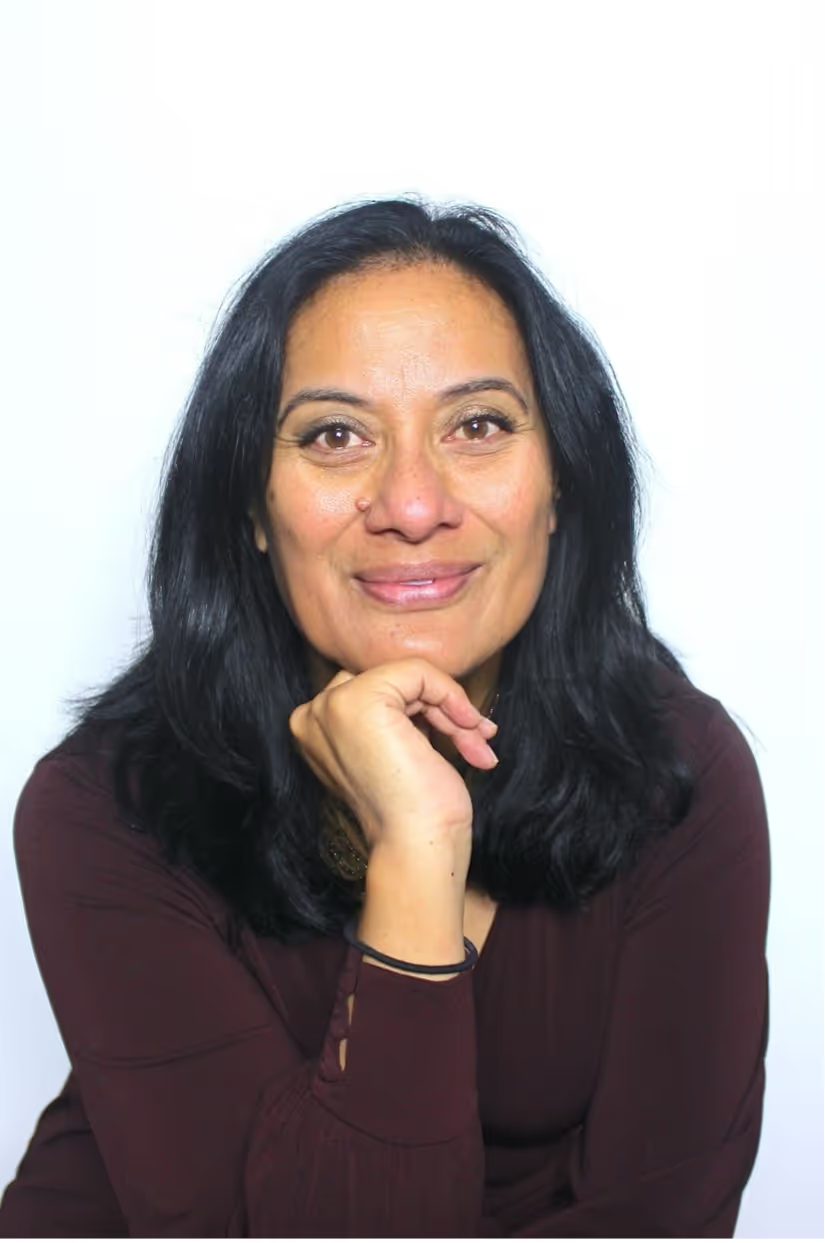
Tina Vaka
Tina Vaka is an accomplished Managing Director with a career spanning more than 25 years across higher education, organisational leadership, communications, and business management. Holding qualifications including a BA, MA, MBA, Dip TESL, and Dip JPN, she has built a diverse and impactful professional portfolio grounded in strategic leadership and cross cultural expertise.

Elias Kanaris
Elias Kanaris is a globally respected leadership strategist, keynote speaker, and executive advisor dedicated to developing values-driven leaders across government, business, faith, and community sectors. With more than 30 years of experience, he has guided organisations through complexity and change, helping senior leaders navigate uncertainty with clarity, cultural intelligence, and moral courage. A former President of the Global Speakers Federation—representing 6,000 leaders in over 20 countries—Elias brings deep international governance experience and a collaborative, Pacific-aligned leadership ethos. He is the CEO of The Insight & Strategy Group and creator of the Presidential Think Tank’s Leadership Compass, a transformational development course that equips leaders with practical tools for influence, resilience, and high-trust decision-making. Elias is also the author of Leading From The Stop and a Certified Maxwell Leadership Coach, known for turning lived experience—including his leadership response during the 9/11 shutdown in Gander—into compelling lessons that inspire action. Elias is honoured to contribute to the Pacific Legacy Leadership Foundation’s mission of strengthening ethical, culturally grounded leadership across the Blue Pacific.
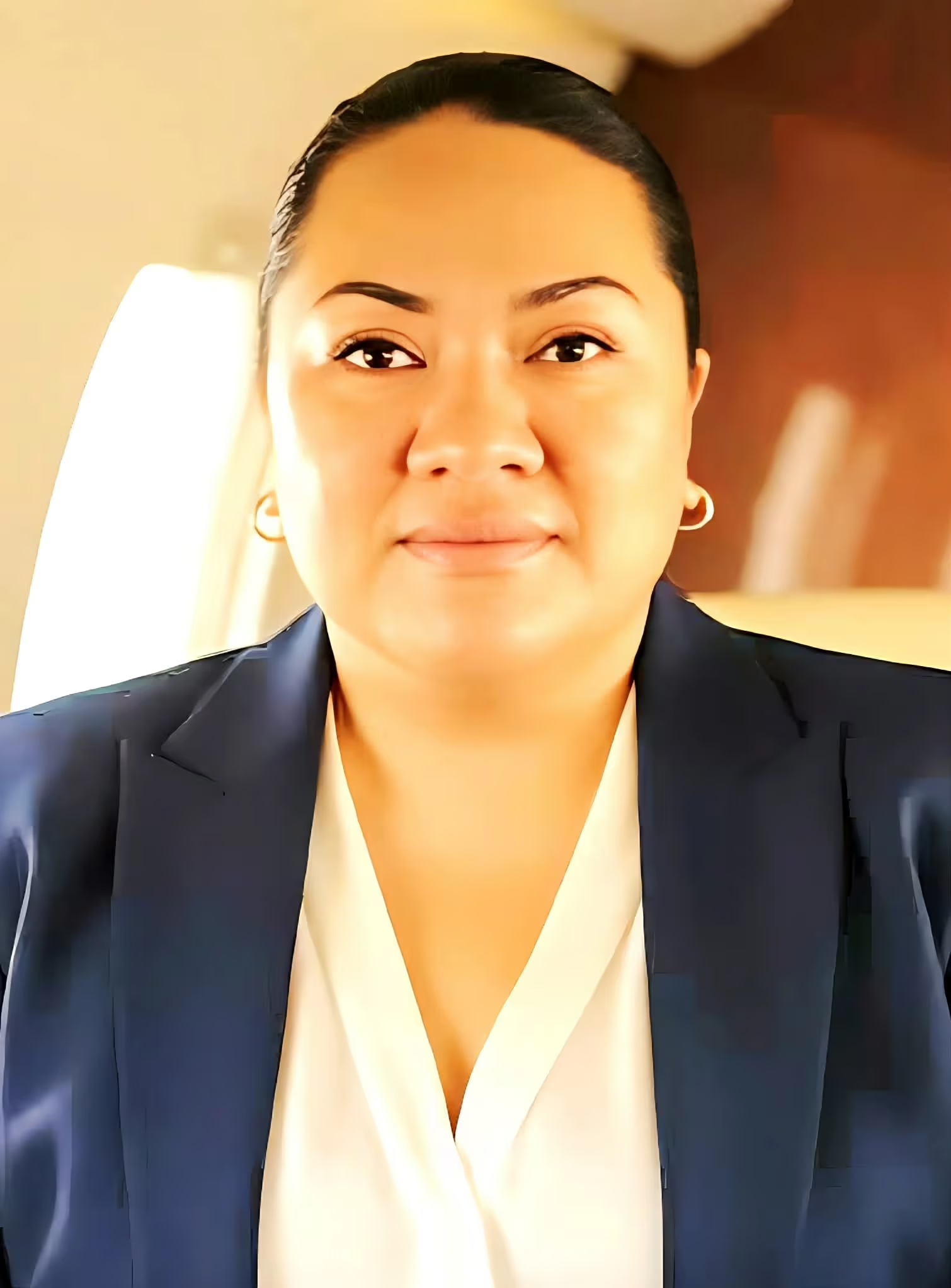
Fononga Vainga Mangisi-Mafileo, PhD
Fononga Vainga Mangisi‑Mafileo is a Pacificleadership expert and Senior Advisor on Ocean Governance with nearly 20 yearsof national and regional experience. She has been at the forefront of Tonga’socean governance reforms, including drafting the Tonga National Ocean Policy andguiding the passage of the Ocean Management Act 2025, which establishesenduring governance arrangements, statutory institutions, Marine SpatialPlanning, and mechanisms for sustainable financing. These reforms provide areplicable model for integrated governance and long‑term resource stewardship.
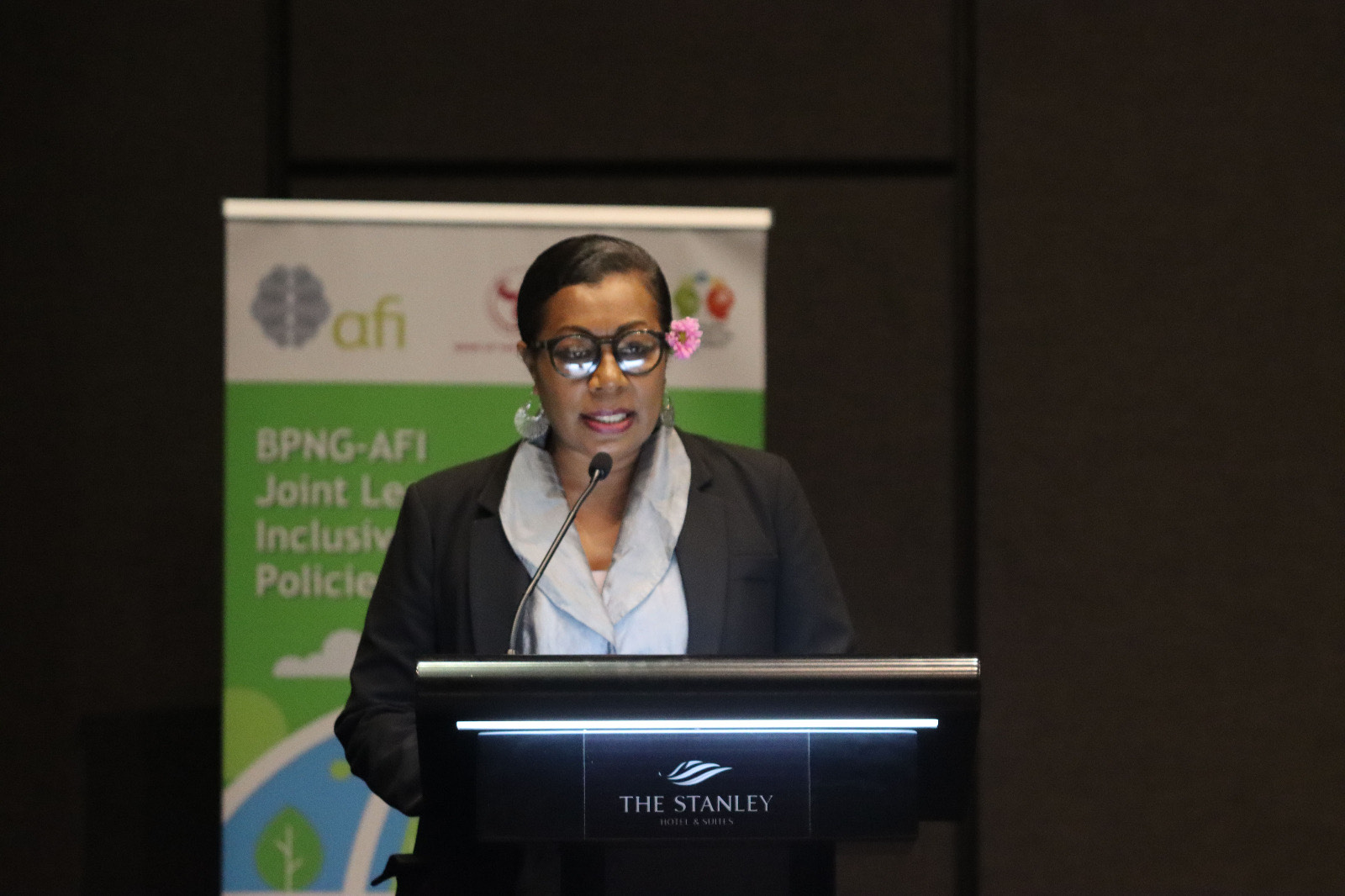
Mereseini Tuivuniwai
Mereseini Tuivuniwai is Communications specialist and has served extensively in the financial inclusion and development sectors, providing strategic communication consultancy and advisory in the Pacific region and beyond. Her expertise also includes content creation, project management and stakeholder mobilization. Mereseini is from Fiji is married with 7 kids and a grandson. She is currently engaged with Alliance for Financial Inclusion as the Regional Manager Pacific working closely with central banks in the Pacific specifically on financial inclusion initiatives.
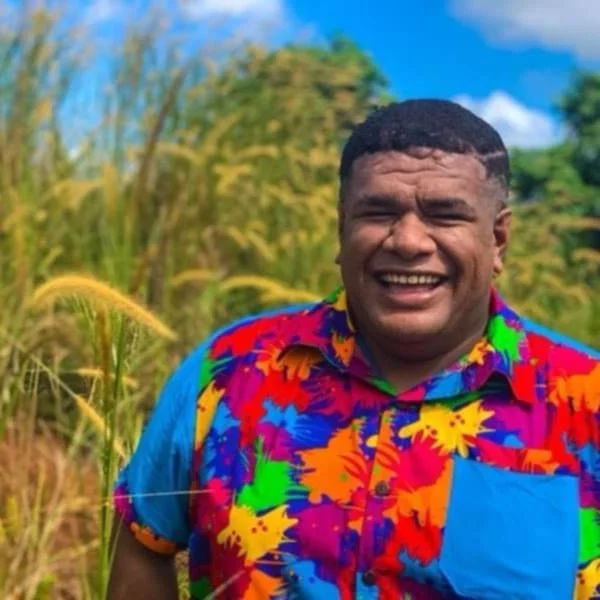
Joveci Nagagavoka
Joveci hails from Cuvu Village in the beautiful province of Nadroga/Navosa from the beautiful islands of Fiji. He is an aspiring entrepreneur with a vision to grow into a successful venture to fulfill his purpose in serving his family, church and community. When not working, Joveci is mostly in Church helping out in Youth Ministry or traveling to a different country for a mission, fully exercising his faith and fulfilling his calling for mission.
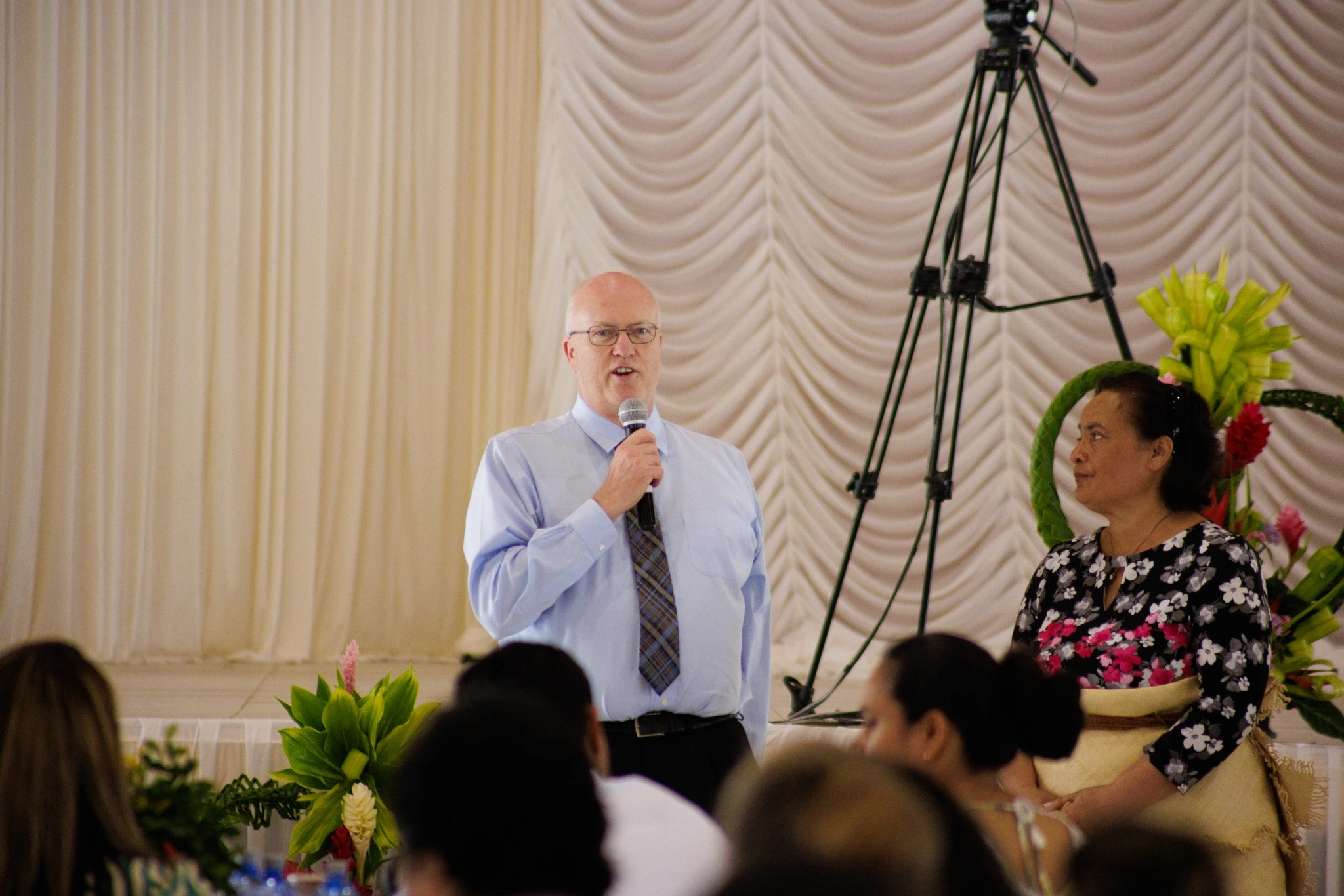
Dr Mark Sherwood
Mark lives in New Zealand. He works as an orthopaedic and spinal surgeon in Wellington, New Zealand. He trained in medicine at the University of Otago, NZ where he met his wife, Dr Ate Moala. Mark completed specialist training in Auckland and Melbourne in adult and paediatric spinal surgery. For over 20 years, he has worked at the highest level of orthopaedic and spinal care. Mark sees his medical career as a profession and as a calling and a stewardship from God.
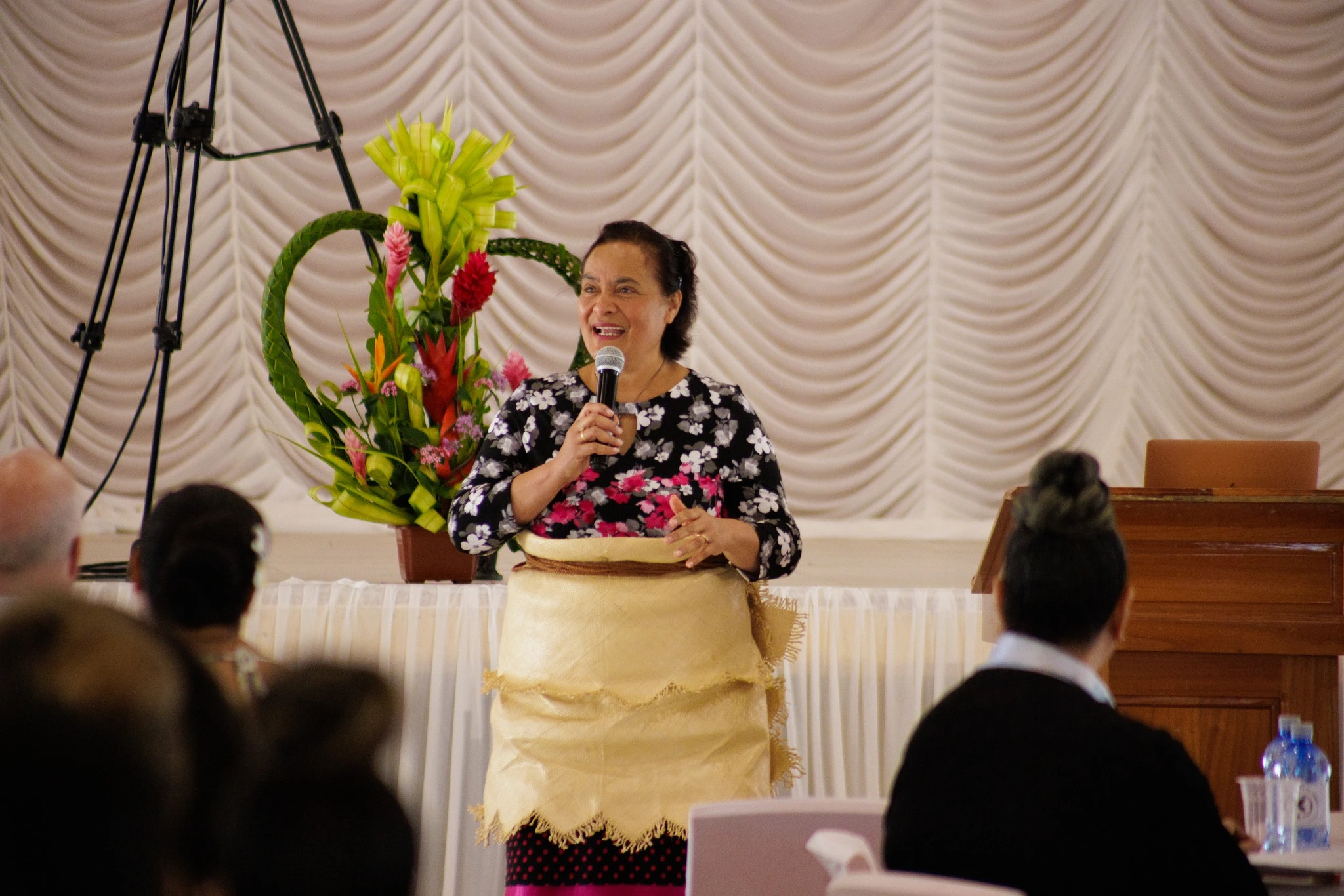
Dr Ate Moala
Dr Ate Moala is Tongan with over 40 years of experience in the health sector, serving as a clinician in hospitals and primary care settings in both New Zealand and Tonga. Her life’s work reflects a deep calling to serve, heal, and strengthen Pacific people—both in body and in spirit.
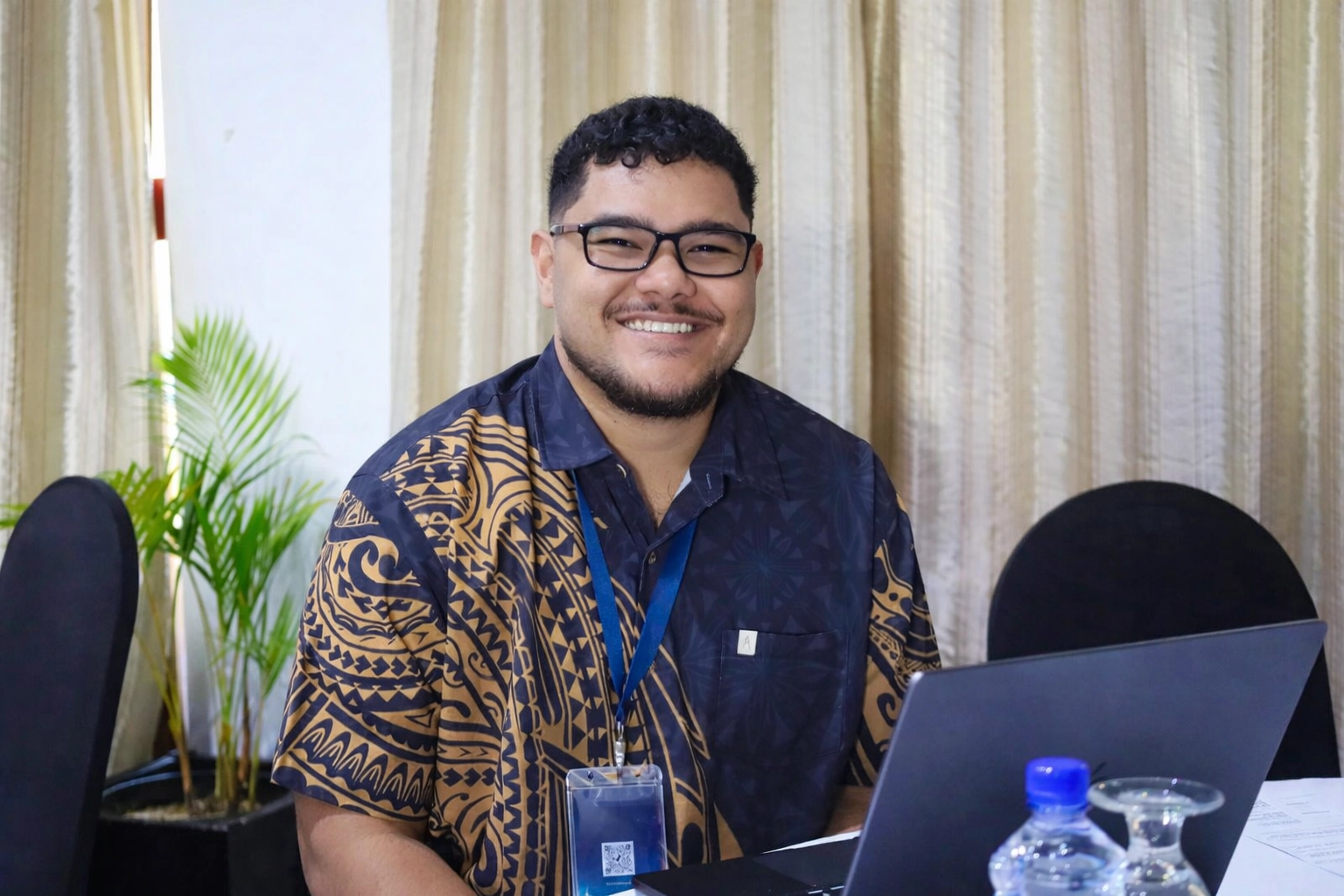
Caleb Osborne
Caleb Osborne is a Rotuman creative and digital professional with a background in consultancy and a passion for using technology to elevate Pacific voices. He joined PLLFI to support the development of its digital presence and found himself drawn deeper into the mission — believing wholeheartedly in PLLFI's vision to transform the leadership landscape across the Blue Pacific Continent.
Real Stories from Real People Making Change Happen
.webp)

Be Part of the Legacy We Are Creating Together
Your involvement fuels our programs and empowers Pacific leaders to serve with purpose and integrity.